
Here’s what happened.
We Both Hate Being Late
We were both early to the webinar. She was there before me, actually. I logged on 10 minutes early and there she was—camera on, cheerful, ready to go. She told me she hates being late.
I was hosting a webinar that brought together leaders to explore what’s really happening at the top of complex organizations.
We Clicked
We got chatting. Nothing planned, just a warm hello and a bit of back-and-forth while we waited. She mentioned she’d been reading my newsletters since 2016. I was touched—and surprised. You never really know who’s listening or how long they’ve been quietly following along.
I asked what she did and, hearing her American accent, where she was from. The conversation flowed naturally—two people finding common ground in caring about bringing out the best in others at work and helping them achieve their career goals.
Without realising it, we’d stepped into what psychologists call liminal space—those in-between moments where real connection happens. No formal roles. No set agenda. Just two people talking before anything officially began.
These kinds of unscripted moments matter more than we often realise. Sociologist Mark Granovetter found that new opportunities often come not through planned networking, but through what he called weak ties—the unexpected connections we make with people outside our usual circles.
From Webinar to Kitchen Table
Turned out she lives in San Francisco. And I was heading there in a couple of weeks.
Before I knew it, she’d invited me to her home for lunch.
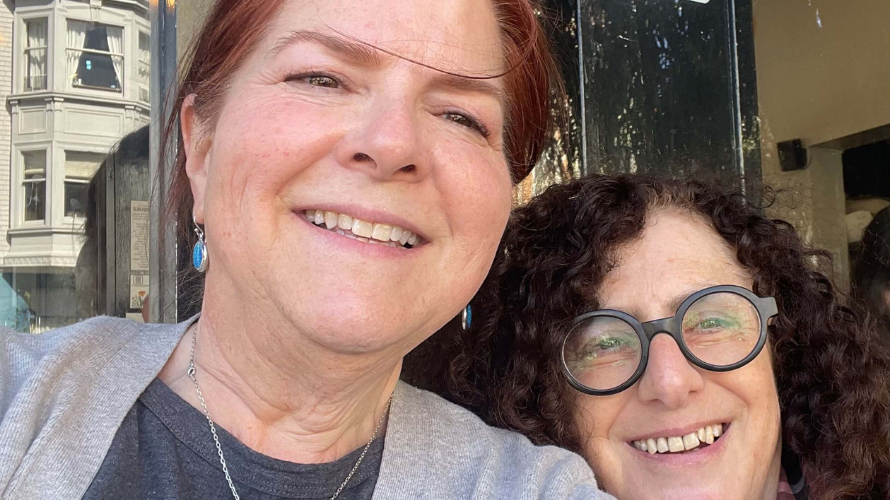
So there I was, two weeks later, in her kitchen, eating a delicious home-cooked meal, chatting like old friends. She showed me around her city—ice cream from Bi-Rite Creamery (the tiramisu was excellent), a drive through the neighborhood where Jackie Collins once lived, and back.
I’d brought Tim Tams and Furry Friends from Australia. She loved them, of course. Everyone does.
She was so generous. It was fun. And completely unexpected.
And it only happened because we both showed up early.
A Small Moment, A Bigger Reminder
I’ve been thinking about that moment ever since. How something as simple as both disliking lateness created space for an unexpected connection. Neither of us was trying to optimise or network—we were just there, early, with a few minutes to fill.
Especially in leadership, there’s pressure to make the most of every minute. Back-to-back meetings. Sharp agendas. Clear outcomes. But here’s what I’ve learned: the things that leave a real imprint often come from presence, not performance. Not planned. Not strategic. Just there.
The most transformative moments in leadership happen when we’re unguarded—not during performance reviews or board presentations, but in the spaces between. When defences drop and curiosity rises. When there’s room for the unexpected conversation that shifts how someone sees their role, their team, their purpose.
The Power of Presence
The best leaders I know understand this instinctively. They arrive early, not to appear efficient but to create space for connection. They walk to someone’s desk instead of sending another message. They call rather than email when the conversation matters. They recognize that in our hyperconnected world, the scarcest resource isn’t information or time—it’s presence.
In complex systems, this presence becomes even more crucial. When everything is moving fast, the ability to slow down—even slightly—creates space for thinking. For noticing. For the kind of human connection that transforms how people show up to work.
We can’t manufacture these moments, but we can create the conditions where they flourish. Sometimes the most radical thing a leader can do is show up early, not to get ahead but to be present. To trust that the most important conversations might not be the ones on your calendar.
Next time you’re early to something, stay curious. You never know when serendipity might show up.
Image from Pexels