Articles

dr michelle pizer

Mental Load: How to Overcome the Exhaustion

You know that feeling when you finally take a break—maybe a holiday, a long weekend, or even just a proper day off—and suddenly, it hits you? The sheer weight of everything you’ve been carrying. The never-ending to-do list, the things only you seem to notice, the constant mental juggling. One of my clients had this exact experience. She came back from holiday and realised, for the first time, just how much of the mental load she was carrying. And how exhausted she’d been. Another client is well aware of hers, but there’s nobody to delegate to. She’s exhausted too… and stuck. Sound familiar? The mental load is real. It’s relentless. And if you don’t manage it, it will manage you—affecting not just your wellbeing but your capacity to lead effectively. Why Does the Load Feel So Heavy? For leaders, the weight of the mental load often stems from four key factors: Perfectionism. If you don’t do it, it won’t be done properly, right? And if you let go, everything might fall apart? But taking on everything doesn’t mean things are perfect. It just means you’re exhausted and your attention fragmented across too many priorities. Habit. You’ve been carrying this load

Read More »
How Long Will You Wait for Things to Get Better?

How Long Will You Wait for Things to Get Better?

This week a client told me a story that’s all too familiar. The first time they had a terrible boss they stuck it out for over two years. They kept telling themselves: It’ll get better. I just need to work harder. Maybe I’m overreacting. But they weren’t. They were miserable. Eventually, they hit their breaking point and left. The next time? It took about a year before they realised the same thing was happening again. A little faster, but still too long. Now? They give it six months—tops. Sometimes less, if it’s really bad. Because they’ve learned that waiting and hoping doesn’t change anything. How Do You Know When It’s Time to Move On? It’s not always obvious at first. Some managers are bad from day one. Others start off okay, but then things shift. A restructure. A new leadership team. Projects that never materialise. Here’s what my client learned to watch out for: The shifting goalposts. Expectations are unclear, and you’re constantly second-guessing what’s expected. The dangle of false hope.“There’s a big opportunity coming for you!” But it never happens. The manager who’s just as stuck as you. They might want to help, but they can’t. The real problem

Read More »

Working Out Who to Trust in a New Job

Starting a new job is exciting. But figuring out who to trust? That’s where things get tricky. You can’t just walk in and trust everyone. Trust takes time, strategy, and some serious discernment. So, let’s make this simple. Here’s how to navigate it without getting burned. 1. Know the Culture Before Anything Else Before you start deciding who’s trustworthy, you need to understand the culture. Every place has its own version of the way we do things around here—some places are open and collaborative, others more about survival. Your job is to get the lay of the land and see how trust plays out. Who’s talking openly? Who’s keeping things close to the chest? This will give clues about the norms, values and underlying assumptions of your new workplace. Recently, my client quietly exited a toxic environment. He was shocked when his boss made difficult situations worse by refusing to talk about them. It took him too long to realise that his coworkers weren’t his allies. When he’d started, he trusted everyone. A nice quality at face value. But naïve. He hadn’t taken the time to work out the culture before anything else and he paid the price. He’s started

Read More »
Year of the Wood Snake

Powerful Leadership Insights: It’s the Year of the Wood Snake

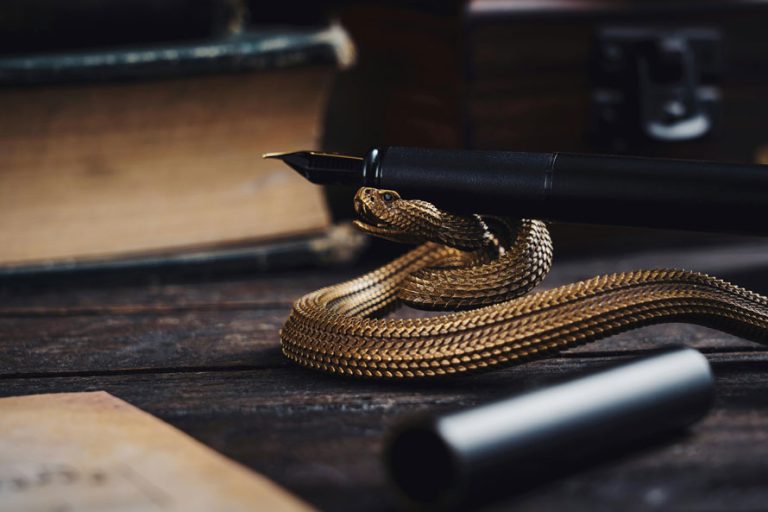
Strategic brilliance. Perfect timing. Razor-sharp instincts. These aren’t just the traits of the snake—they’re the hallmarks of exceptional leadership. Welcome to 2025: The Year of the Wood Snake. Let’s learn from the serpent – we’re taking their best and shedding the rest – no “snakes in the grass” here. The Power of Perfect Timing A snake doesn’t chase—it waits. One precise strike beats a thousand wasted moves. Great leaders know when to act and when to hold back. Apple didn’t rush the smartwatch; they weren’t first to market. Instead, they waited until the tech, design, and demand lined up. Smart beats fast every time. Reading the Room A snake picks up shifts in the air, every vibration, every cue. Great leaders do the same. They attune—not just to markets and trends, but to people. They understand the unspoken, anticipate resistance, and move with sensitive awareness. They connect, and connection builds trust. Mastering Adaptability A snake sheds its skin to grow. The best leaders do the same—dropping old habits, outdated strategies, and ways of thinking that don’t serve them. Microsoft ditched “Windows first” under Satya Nadella, went all-in on cloud and open-source, and came out stronger. Adapt or get left behind.

Read More »
Business man alone looking out office window

It’s Lonely at the Top. Strategies for CEOs to Thrive.

Loneliness, a global health concern. Loneliness happens when your need for connection isn’t met, and it’s as much a workplace issue as a personal one. The World Health Organisation has even declared it a global health concern. During my years caring for patients, the most common pathology I saw was not heart disease or diabetes; it was loneliness. — US Surgeon General, Vivek Murthy (2017) In Australia, at least one in three feel lonely, and one in six very lonely at any given time, according to the Social Connection in Australia 2023​ report. In the USA, research by Cigna found that lonely employees miss five more days work annually than those who are not, and are twice as likely to consider quitting within the next year. It’s lonely at the top. As a CEO, you might love your job and have no plans to quit—but that doesn’t make it less lonely. Even with a great team, you’re still ‘the boss’. You have to make decisions about them, and unlike your team, you don’t have peers within your organisation. It can feel isolating. Many CEOs I’ve spoken to have found relief through having an executive coach or mentor. It’s a space

Read More »

Slop on the Sunscreen Strategy for Better Leadership

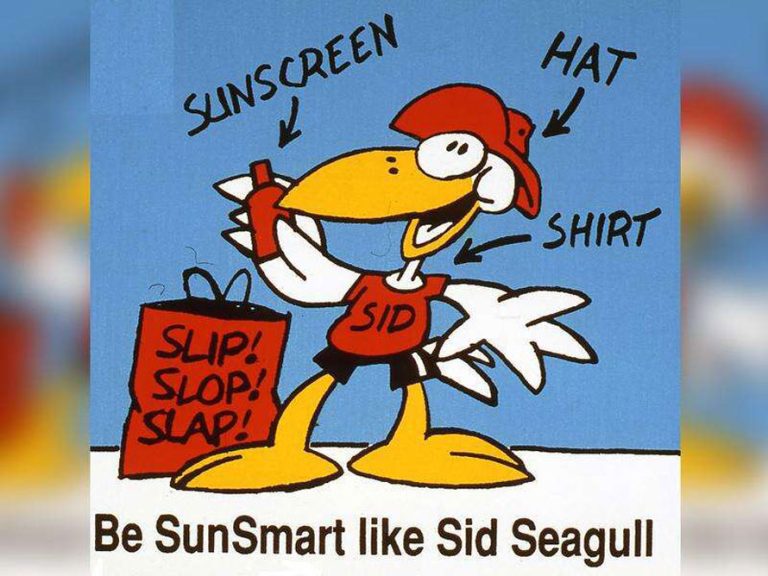
I grew up with the ad campaign Slip, Slop, Slap: Slip on a shirt Slop on some sunscreen Slap on a hat. Since then, they’ve added two more: Seek shade Slide on some sunglasses. It’s a sun-smart strategy. Still, there’s one step I’d love to miss… slop on some sunscreen. Yes, even with the non-greasy, easier to apply options today. It’s time consuming, and good luck trying to get it out of your clothes. If I wasn’t worried about skin cancer, I’d skip it. Because it’s summer and the UV Index is extreme every day, I do it. But it only works if it’s applied correctly. The Cancer Council says many people don’t: We often use too little of it, apply it unevenly or forget to reapply it. That got me thinking about what I learned from interviewing Jim Kouzes about leadership. As he says, people know how to lead. They just don’t do it often enough. So, here are some surprising leadership lessons from the sun-smart approach to slopping on some sunscreen. The sunscreen strategy for better leadership Apply frequently Like sunscreen, leadership works best when you show up regularly. Little things—like checking in with your team or following

Read More »
Oxford University

The Oxford Word of the Year and an Antidote

On 2 December 2024, the Oxford University Press announced their Oxford Word of the Year. Brain rot! What is brain rot? Good question. I’d never heard of it either. It could be a generational thing. ‘Brain rot’, according to their press office, is defined as: the supposed deterioration of a person’s mental or intellectual state, especially viewed as the result of overconsumption of material (now particularly online content) considered to be trivial or unchallenging. Also: something characterized as likely to lead to such deterioration. Coined by Thoreau in 1854 The first recorded use of the term was in Henry David Thoreau’s Walden, published in 1854. Thoreau criticized society’s tendency to devalue complex ideas in favor of simpler ones, writing: While England endeavours to cure the potato rot, will not any endeavour to cure the brain-rot – which prevails so much more widely and fatally? It’s like the client I was speaking to this week. She was lamenting her kids’ (and their teenage friends) tendency to give up if they couldn’t do something quickly and easily. They’d say it’s too hard. She’s working hard to get them to break the problem down, solve it step by step, and discover the joy

Read More »

How to Become a More Attuned Leader.

Why attunement matters Relationships at work matter. For two main reasons. The first is that we don’t work alone. We get things done with and through people. The second is that they influence our motivation, what we think and how we privately feel. In other words, they impact our performance and wellbeing. That’s why it’s smart to focus on developing more high-quality connections. The more attuned you are, the easier they are to develop. Think of it [attunement] as operating the dial on a radio. It’s the capacity to move up and down the band as circumstances demand, locking in on what’s being transmitted, even if those signals aren’t immediately clear or obvious. ​ — Daniel Pink American author Attunement matters even more today Why? Because, as a leader: You can no longer rely on the power of your position to get things done. Today it’s about inspiration, purpose, collaboration, and accountability. It’s why skilfully attuning to the people issues and mastering your human-centered skills matters more than ever before. But, I bet you know this from your own experience, and as the research shows, that’s easier said than done. Two in three (63%) employees feel their voice has been

Read More »
Mavis Robertson

Lacking Inspo? Look No Further Than This Great Australian.

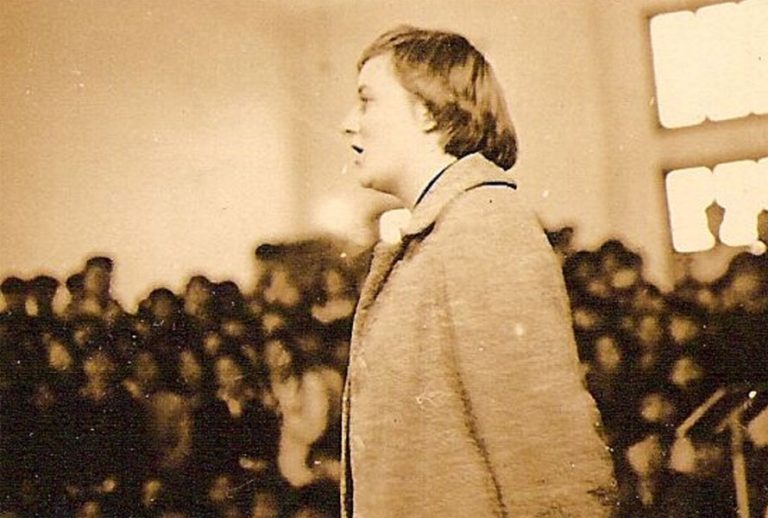
Mavis Robertson Lacking inspo You know how on some days you’re just not feeling it? That was me last week. So I went on the hunt for a little inspiration. ​ It wasn’t going well. Even This American Life, the podcast I never get sick of, wasn’t cutting it. Never say never! Looking for inspo Then I thought, what about the ABC? The Australian Broadcasting Corporation. So I went onto the ABC Listen app and did something I’ve never done before. Checked out The History Lesson podcast. I liked the sound of The Mavis Files and checked it out. I confess I was also a little interested because Alice Garner wrote and produced it. She was doing her PhD at the same time as me, not that she’d know. I had a part time job at Melbourne Uni’s Postgraduate Association at the time and she walked in. She was acting in a popular TV series then: Sea Change. A celebrity moment. And she’s the daughter of Helen Garner, the wonderful Australian writer. Finding inspo Anyway, back to Mavis. Wow! What a woman. My favorite part came right at the end. “Women shouldn’t fear being strong, even though, if you attempt

Read More »

We love a good outsider: Lessons from the Melbourne Cup

Last Tuesday was Cup Day. Melbourne Cup. The final field of 23 horses ran around the Flemington Racetrack until the 3200m finish line. It’s a long race. What’s changed? It’s been going a long time, 2024 is its 164th year. I can’t believe that it’s 10 years ago since I wrote about the similarities between the Cup and the workplace. I know some of you have been reading my newsletters since way back then. Thank you for staying the course! I do appreciate it. I decided to dust off that old blog and see what’s changed. Not much! As it turns out, not much! Even though horse racing isn’t my thing, I’ve watched the race every year since I was nine years old. I decided not to break with tradition. I switched on the TV and watched the race live at 3pm. The horses are still magnificent. The race is still both exhilarating and terrifying as they come down the straight to the finish line. This year it was a photo finish. The winner, Knight’s Choice, ran at a speed of around 58 km per hour! They’re fast. The odds for the winner were extraordinary The odds were extraordinary for

Read More »
Dr Michelle Pizer | Executive Coach and Organisational Psychologist